يصب صاحب المنزل آخر ما تبقى من بنزين السيارة في جركن، ويضعه في جزازة العشب، ويقضي عطلة نهاية الأسبوع التالية في سحب حبل التشغيل بينما يرفض المحرك الاشتعال. تقع مثل هذه المشاهد وراء نسبة كبيرة من مكالمات خدمة المحركات الصغيرة، ويمكن تجنبها جميعًا تقريبًا. الإجابة المختصرة لمعظم جزازات البنزين رباعية الأشواط واضحة ومباشرة: طازجة ونظيفة وخالية من الرصاص مع حد أدنى من الأوكتان يبلغ 87 AKI (حوالي 91 RON) وما لا يزيد عن 10% من الإيثانول. بالنسبة للآلات ثنائية الشوط، يجب خلط نفس البنزين مع زيت ثنائي الشوط أولاً، عادةً بنسبة تتراوح بين 50:1 و32:1. احصل على هذين الأساسيين بشكل صحيح وسيعمل المحرك كما أرادت الشركة المصنعة؛ أخطأوا في فهمهم ولن يعوض أي قدر من الصيانة اللاحقة بشكل كامل.
الإجابة المختصرة: ما هو البنزين الذي يستخدم في جزازة العشب؟
بالنسبة للغالبية العظمى من جزازات العشب التي تعمل بالبنزين والمزودة بمحركات رباعية الأشواط، فإن الخيار العادي الخالي من الرصاص هو الاختيار الصحيح. المعيار العملي في صناعة المحركات الصغيرة هو الحد الأدنى من تصنيف الأوكتان البالغ 87 AKI، والذي يتوافق مع حوالي 91 RON على المضخات التي تحمل علامة خارج أمريكا الشمالية. يجب أن يبقى محتوى الإيثانول عند 10% أو أقل، مما يعني أن E10 مقبول بينما E15 وE85 غير مقبولين.
يستحق الوقود المتميز إشارة خاصة لأن المشترين غالبًا ما يفترضون أنه الأفضل. تعمل المحركات الصغيرة رباعية الأشواط بنسب ضغط متواضعة، تتراوح عادةً بين 8:1 و9:1، لذا فهي لا تكتسب شيئًا من حيث القوة أو السلاسة أو النظافة من وقود 95 أو 98 RON. التكلفة الإضافية تشتري ببساطة الأوكتان الذي لا يستطيع المحرك استخدامه.
- الوقود العادي الخالي من الرصاص، 87 AKI كحد أدنى (حوالي 91 RON)، هو الوقود الافتراضي.
- يعتبر E10 الذي لا يحتوي على أكثر من 10% من الإيثانول مقبولاً عندما يكون الوقود طازجًا.
- يجب أن يظل E15 وE85 وأي وقود مُصنف للمركبات ذات الوقود المرن بعيدًا عن المحركات الصغيرة.
- فوق ارتفاع 5000 قدم (1500 متر) تقريبًا، يعتبر وقود 85 AKI مقبولًا لأن الهواء الرقيق يقلل الضغط الفعال.
ضربتين أم رباعية الأشواط؟ نوع المحرك هو الذي يقرر الوقود الخاص بك
السؤال الوحيد الأكثر أهمية ليس أي مضخة يجب استخدامها ولكن ما إذا كان المحرك يحتاج إلى زيت في الوقود. تحمل المحركات رباعية الأشواط زيت التشحيم في حوض منفصل، بحيث يدخل البنزين إلى الخزان بشكل أنيق. لا تحتوي المحركات ثنائية الشوط على حوض زيت؛ ينتقل زيت التشحيم عبر الوقود نفسه، لذلك يجب مزج كل لتر من البنزين مع زيت ثنائي الشوط قبل دخوله إلى الخزان.
تختلف نسب المزيج حسب المحرك. عادةً ما تحدد آلات الحدائق الحديثة ثنائية الشوط نسبة 50:1، بينما تتطلب العديد من التصميمات القديمة أو ذات الأحمال الأعلى نسبة 40:1 أو حتى 32:1. النسبة الصحيحة مطبوعة على غطاء الوقود أو غطاء المحرك أو في الدليل، ويجب التعامل معها على أنها تسامح وليس اقتراح. القليل جدًا من الزيت قد يؤدي إلى نوبة المكبس في غضون دقائق؛ الكثير من الزيت يفسد شمعة الإشعال، ويسد منفذ العادم بالكربون، ويزيد من كثافة الدخان بما يكفي لإزعاج الجيران.
ينطبق نفس الانضباط عبر مجموعة البنزين المحمولة، بدءًا من قواطع الفرشاة وأدوات تشذيب التحوط وحتى المناشير القطبية والمنافيخ، ولهذا السبب يجب على المشترين الذين يقارنون الآلات أولاً قراءة دليل لأنواع محركات قطع الفرشاة بالغاز وإجراءات الصيانة قبل الالتزام بالشراء.
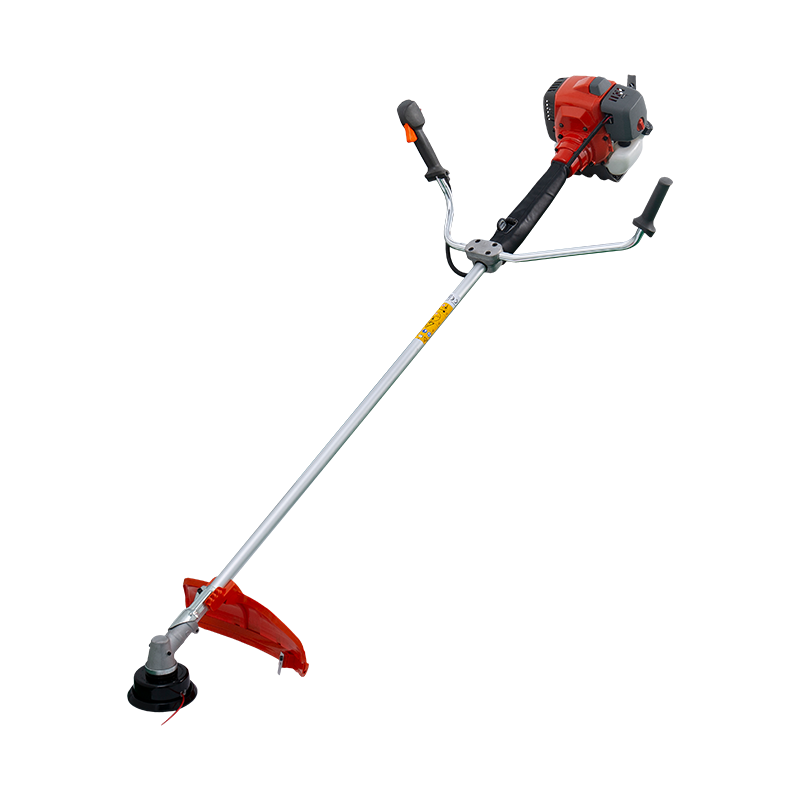
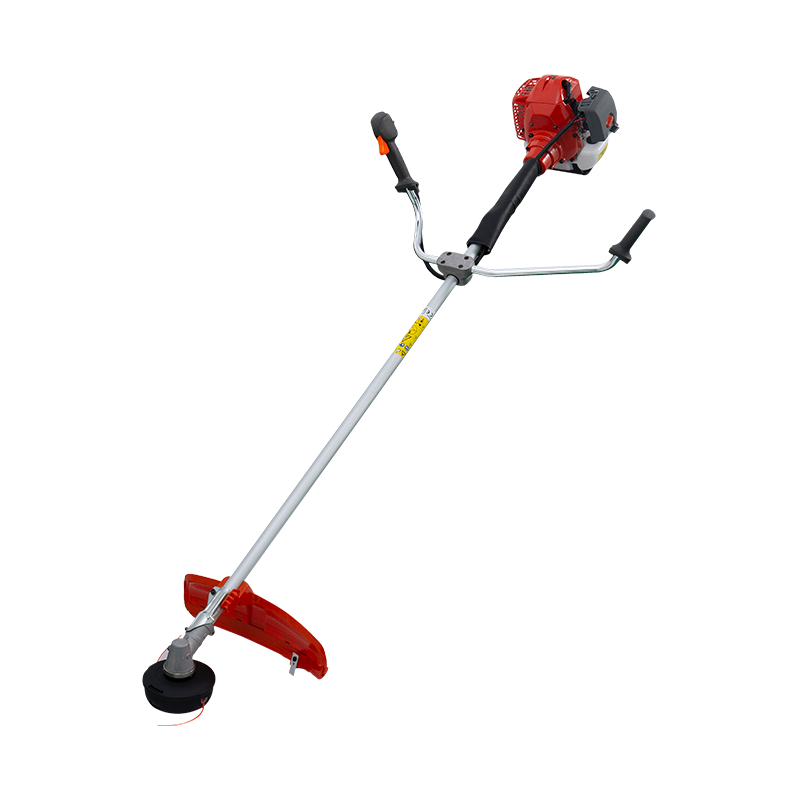
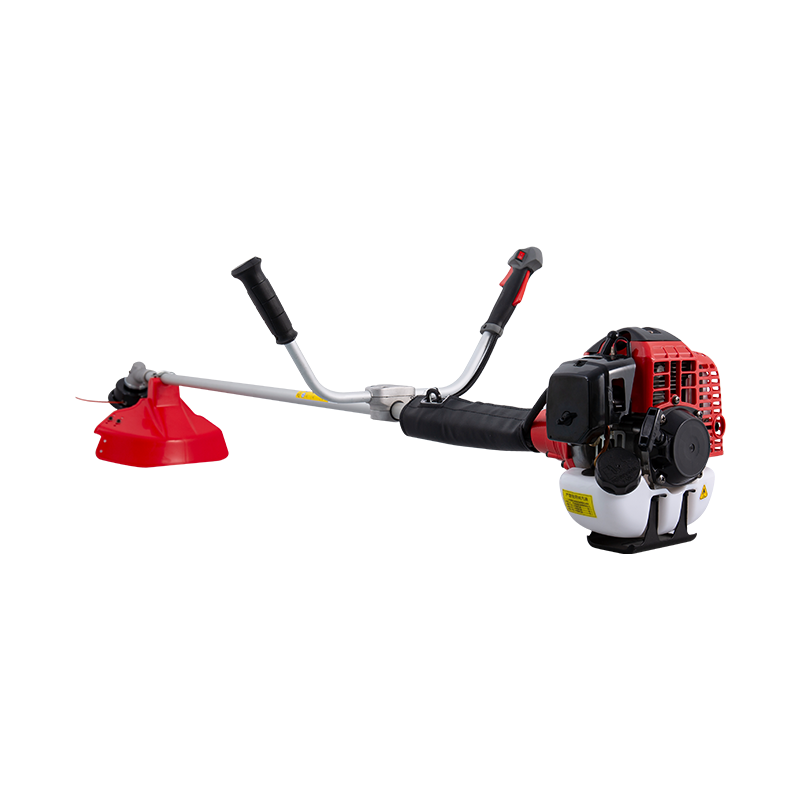 BC4350DW قاطعة فرشاة ثنائية الشوط تعمل قاطعة الفرشاة ثنائية الشوط 41.5CC هذه على دمج مكربن بغشاء Walbro مع مزيج وقود 50: 1 وإخراج 1.5 كيلو واط وبنية خفيفة الوزن تبلغ 12.8 كجم - مما يجعل خلط الوقود الصحيح ضروريًا لحماية محركه تحت أحمال القطع المستمرة. عرض المنتج →
 على سبيل المثال، تعتمد الآلة المخصصة ثنائية الشوط، مثل آلة القطع بالفرشاة BC4350DW، كليًا على الوقود المختلط بشكل صحيح لحماية محركها في ظل أحمال القطع المستمرة.
الإيثانول في البنزين: حيث يقع خط الـ 10 بالمائة
الإيثانول هو العنصر الأكثر سوء فهم في مضخة البنزين. بنسبة تصل إلى 10%، فهي غير ضارة في محرك صغير سليم، ويتم بيع E10 علنًا لهذا الغرض في العديد من الأسواق. وبعد 10%، تتفاقم المشاكل بسرعة. الإيثانول مادة استرطابية، مما يعني أنه يسحب الماء من الهواء؛ في خزان نصف فارغ يُترك خلال الشتاء، يمكن أن تؤدي تلك الرطوبة إلى فصل الطور، حيث تستقر طبقة الإيثانول والماء أسفل البنزين ويتم سحبها إلى المكربن.
كما أن الوقود الذي يحتوي على نسبة عالية من الإيثانول يؤدي إلى تصلب وتضخم الأختام المطاطية والأغشية، ويؤدي إلى تآكل أجزاء المكربن من الألومنيوم والنحاس، ويترك رواسب الصمغ في النفاثات. تتحمل السيارات E15 وE85 لأنها تحترق في الخزان خلال أيام؛ الجزازة التي تعمل لمدة ساعة واحدة في الأسبوع تمنح الوقود أسابيع ليتحلل داخل الوعاء. يلخص الجدول أدناه الخيارات الشائعة.
| نوع البنزين | محرك رباعي الأشواط | محرك ثنائي الشوط (مختلط مسبقًا) |
|---|---|---|
| خالي من الرصاص العادي، 87 AKI (حوالي 91 رون) | موصى به | موصى به as the base fuel |
| خالي من الرصاص الممتاز، من 95 إلى 98 رون | مقبول ولكن غير ضروري | مقبول ولكن غير ضروري |
| E10، ما يصل إلى 10٪ من الإيثانول | مقبول عندما يكون طازجاً | مقبول عندما يكون طازجاً |
| E15 أو E85 | تجنب | تجنب |
| الوقود الأقدم من 30 يومًا | استنزاف واستبدال | استنزاف وإعادة الخلط |
الأوكتان والارتفاع والاحتراق النظيف
يقيس الأوكتان مقاومة الوقود للطرق، وليس محتواه من الطاقة، ولهذا السبب فإن الأرقام الأعلى لا تجعل المحرك الصغير أقوى. يناسب البنزين القياسي مع 87 AKI نسب الضغط في محركات الجزازة ومحركات قطع الفرشاة النموذجية، كما أن صفات الوقود التي تهم في الواقع هي النضارة وانخفاض الإيثانول بدلاً من رقم الأوكتان الأكبر.
الارتفاع هو الحالة الوحيدة التي يتغير فيها المعيار. فوق حوالي 5000 قدم، يخفض الهواء الرقيق ضغط الأسطوانة، لذا فإن وقود 85 AKI مقبول وقد تحتاج إعدادات المكربن إلى التعديل وفقًا للدليل. تحت هذا الارتفاع، يتم تطبيق 87 AKI المعتاد.
تعتبر نظافة الاحتراق أيضًا أكثر أهمية في المحركات المبردة بالهواء مما يدركه معظم المالكين. تقوم هذه المحركات بإطلاق الحرارة من خلال زعانف معدنية معرضة لتدفق الهواء المار، وبالتالي فإن رواسب الكربون الناتجة عن الوقود الرديء أو القديم تعمل كعازل وتدفع درجات حرارة التشغيل إلى الأعلى. إن إلقاء نظرة فاحصة على كيفية تشكيل تبديد الحرارة المبرد بالهواء لأداء المحرك الأساسي يوضح لماذا يعد الوقود النظيف والطازج قرارًا للتبريد بقدر ما هو قرار بشأن الوقود.
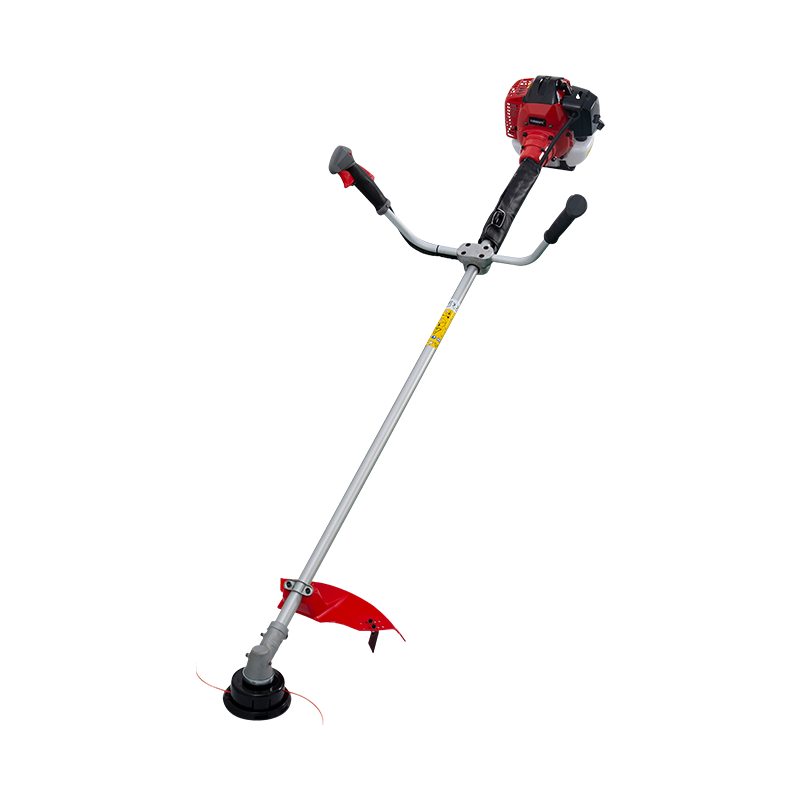
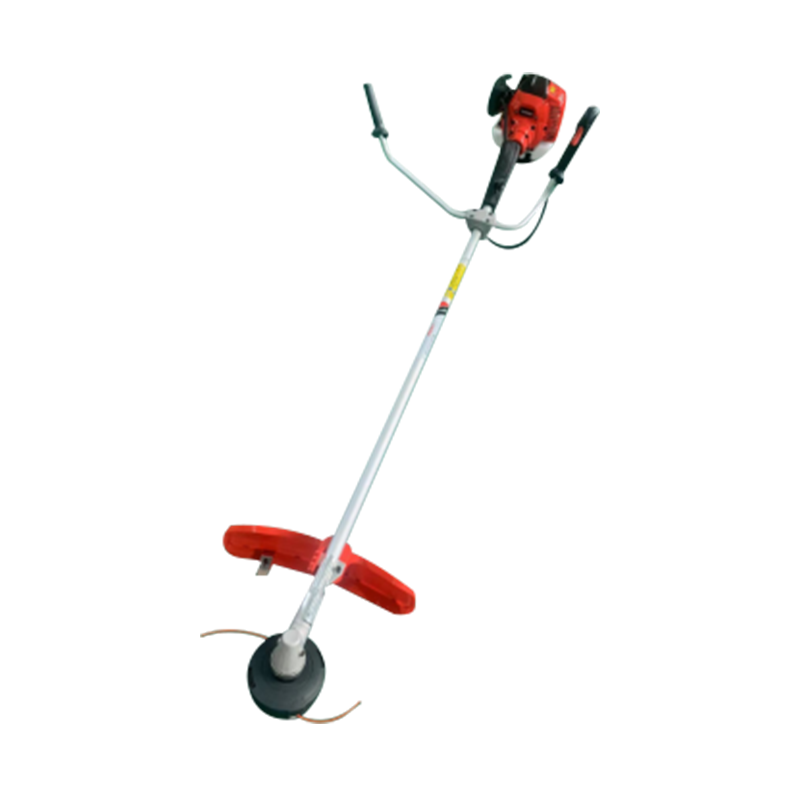 قاطعة فرشاة مبردة بالهواء من نوع Husqvarna 236R بفضل محركها ثنائي الشوط الذي يتم تبريده بالهواء سعة 33.6CC، ومكربن Walbro، وأنبوب سبائك الألومنيوم لتحسين تبديد الحرارة، تعتمد قاطعة الفرشاة 236R هذه على الوقود النظيف وزعانف التبريد الواضحة لاستيعاب خرج 1.17 كيلووات خلال يوم عمل كامل. عرض المنتج →
 تعتمد ماكينات العمل المبردة بالهواء، مثل ماكينة القطع بالفرشاة 236R، على هذا التوازن بين الوقود النظيف وزعانف التبريد الواضحة للحفاظ على إنتاجها خلال يوم عمل كامل.
شراء وتخزين البنزين ليبقى طازجًا
يبدأ البنزين في التأكسد ويفقد تقلباته خلال 30 يومًا تقريبًا، وبمجرد حدوث ذلك، تبدأ المشاكل. العادات المذكورة أدناه تجعل الوقود في الحاوية يستحق الجهد المبذول لسكبه.
- اشترِ فقط الكمية التي تستهلكها شهرًا من القص، بدلًا من ملء برميل كبير لهذا الموسم.
- قم بتخزين الوقود في حاوية معتمدة ومغلقة وتبقى ممتلئة بنسبة 95% تقريبًا، نظرًا لأن الهواء الموجود في منطقة الرأس يقوم بتكثيف الماء في الوقود.
- احتفظ بالحاويات باردة ومظلمة وبعيدًا عن أشعة الشمس المباشرة.
- قم بإضافة مثبت الوقود كلما بقي الوقود لمدة أطول من شهر، ثم قم بتشغيل المحرك لفترة وجيزة لتوزيع البنزين المعالج.
- قم بخلط الوقود ثنائي الشوط على دفعات صغيرة، لأن البنزين الممزوج بالزيت يتأكسد بشكل أسرع من البنزين النقي.
- في نهاية الموسم، قم بتجفيف المكربن أو قم بتصريف الخزان حتى لا يتشكل الورنيش في الطائرات خلال فصل الشتاء.
تستغرق هذه الخطوات دقائق وتمنع فشل الربيع الأكثر شيوعًا: المحرك الذي يدور بسعادة ولكنه لا يشتعل أبدًا لأن بنزين العام الماضي تحول إلى ورنيش.
ما يفعله البنزين الخطأ في الواقع
تعلن أخطاء الوقود عن نفسها بطرق يمكن التنبؤ بها. البداية الصعبة، والارتفاع في وضع الخمول، والدخان الأسود، وشمعات الإشعال الفاسدة، وفقدان الطاقة تحت الحمل عادة ما تعود إلى الوقود القديم، أو الإيثانول الزائد، أو نسبة الزيت غير الصحيحة. الاستخدام المزمن للوقود عالي الإيثانول يترك الصمغ في نفاثات المكربن ويمكن أن يؤدي إلى تآكلها إلى درجة الاستبدال، وفي بعض الأسواق قد يؤثر أيضًا على تغطية الضمان.
تنتمي أسوأ الحالات إلى المحركات ثنائية الشوط التي تعمل بالبنزين المستقيم: مع عدم وجود زيت في الوقود، يمكن للمكبس أن يتوقف في غضون دقائق، ونادرًا ما يكون إصلاح الضرر اقتصاديًا. إذا تم إدخال الوقود الخاطئ إلى خزان رباعي الأشواط، فعادةً ما يكون الإصلاح بسيطًا: قم بتصريفه، والتخلص منه بشكل صحيح، وإعادة ملئه بالوقود العادي الخالي من الرصاص، وتشغيله حتى وصول الوقود الجديد. تعني أخطاء التشغيل المستمرة بعد تلك النقطة بشكل عام أن المكربن يحتاج إلى التنظيف بدلاً من الاستبدال.
يكلف البنزين الصحيح نفس تكلفة البنزين غير الصحيح، مما يجعل اختيار الوقود هو أرخص قرار يعتمد عليه مالك الجزازة على الإطلاق. طازج عادي خالي من الرصاص عند 87 AKI كحد أدنى، والإيثانول بحد أقصى 10%، ومزيج الزيت المنضبط للمحركات ثنائية الشوط يغطي كل آلة تقريبًا في السوق. سيجد المالكون الذين يستخدمون العديد من أدوات البنزين أن هذا الروتين أسهل عندما تشترك معداتهم في معيار وقود واحد، وتعد الآلة الأربعة في واحد مثل الأداة متعددة الوظائف G26 مثالاً على ذلك: خزان واحد مختلط بشكل صحيح يخدم رؤوس التشذيب والحواف والتقليم على حد سواء.
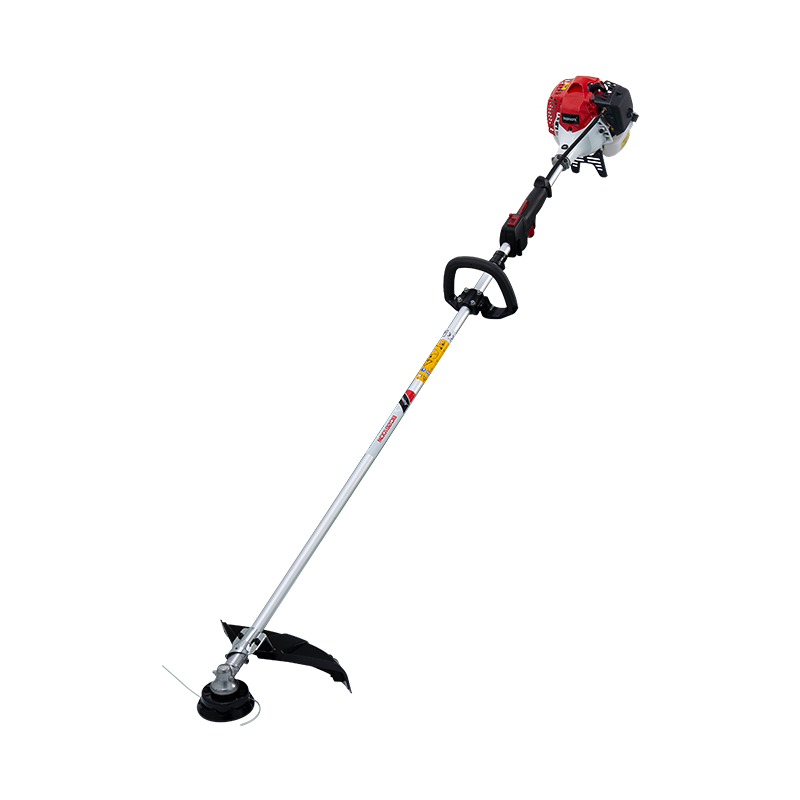
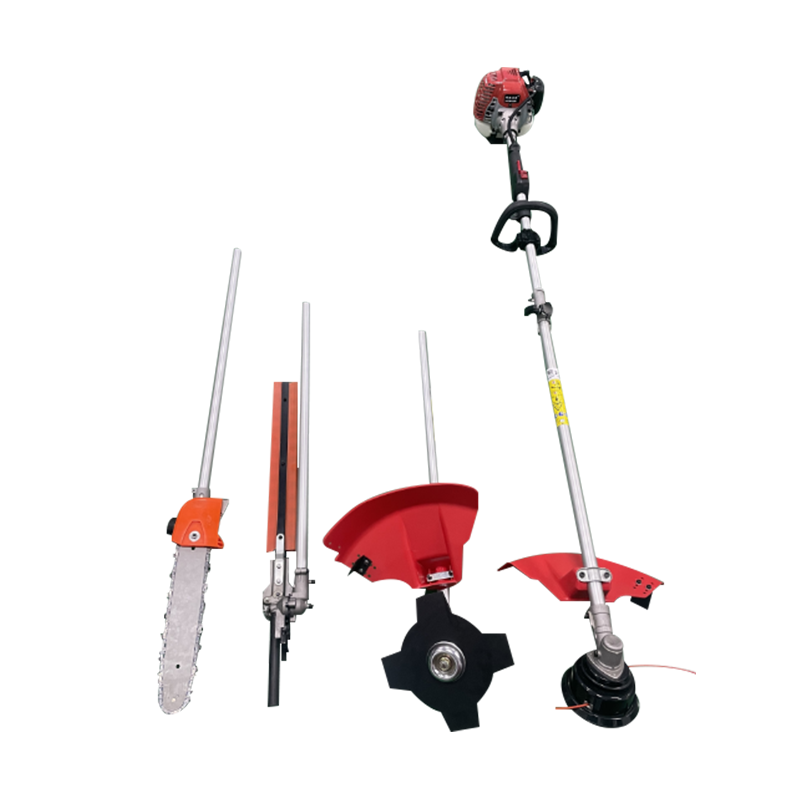 أداة تشذيب متعددة الوظائف G26 4 في 1 تجمع هذه المجموعة الأربعة في واحد بين محرك ثنائي الأشواط سعة 25.4 سم مكعب ومنشار قطبي ومقلم قطبي وشفرة 4T، تعمل جميعها بمزيج وقود واحد مشترك بنسبة 50:1 - لذا فإن خزان واحد مختلط بشكل صحيح يخدم رؤوس التشذيب والحواف والتشذيب على حد سواء. عرض المنتج →
 بالنسبة للمشترين الذين ما زالوا يقومون بتجميع مجموعة من معدات الحدائق، فإن الجمع بين عادات الوقود المعقولة واختيار الماكينة المناسب هو ما يحول الصيانة الروتينية إلى سنوات من البدايات التي يمكن الاعتماد عليها.